
rectangular illuminated bathroom mirror
Types of Ground Anchors A Comprehensive Overview Ground anchors are essential elements in various engineering and construction projects, providing stability and support for structures ranging from buildings to retaining walls, bridges, and more. They are crucial for managing forces such as tension and shear, ensuring the safety and longevity of the structures they support. This article delves into the different types of ground anchors, their applications, advantages, and limitations, providing a comprehensive understanding of this vital engineering component. 1. Mechanical Anchors Mechanical anchors work by utilizing expansion methods to secure themselves in place within a substrate, typically concrete or rock. Common types of mechanical anchors include - Expansion Anchors These are commonly used in concrete. When a bolt is tightened, it expands the anchor against the sides of the drilled hole, creating a strong hold. - Sleeve Anchors Made of a bolt and a sleeve that expands against the surrounding material when the bolt is tightened. They are effective in various applications, particularly in medium-load scenarios. - Wedge Anchors These are designed with a tapered end that securely locks into place as the bolt is tightened, making them ideal for heavy-duty applications. Applications Mechanical anchors are widely used in building construction, sign mounting, and in applications where load-bearing strength is required. Advantages They provide instant load-bearing capacity when installed correctly, and they are adaptable to various substrates. Limitations The effectiveness of mechanical anchors greatly depends on the substrate quality, and they may not perform well in softer or vulnerable materials. 2. Chemical Anchors Chemical anchors utilize adhesive bonding to secure themselves within a drilled hole. These anchors generally come in two-component systems that include a resin and a hardener, which cure when mixed together. Applications Chemical anchors are particularly beneficial in situations where high tensile strength is required or where vibrations may affect other anchoring methods. They are often used in securing rebar to concrete, heavy machinery, and in seismic retrofitting applications. Advantages Their superior load-bearing capabilities and resistance to environmental factors like moisture and chemical exposure make them a preferred choice in critical installations. Limitations The installation process requires careful mixing and curing time, which can prolong project timelines . Additionally, they may be more expensive compared to mechanical anchors. types of ground anchors 3. Soil Anchors Soil anchors are used to secure structures to the ground in softer soil conditions. They can be constructed using various methods such as - Augered Anchors These are drilled deep into the soil and can be filled with concrete to enhance their load-bearing capacity. - Drilled Shafts Often used in deep foundation work, these involve boring large-diameter holes and pouring concrete to create a solid anchor point. - Helical Anchors Featuring a helical design that allows them to be screwed into the ground, these anchors provide excellent resistance to tension and are often used in retaining walls and telecommunication towers. Applications Soil anchors are extensively utilized in the construction of retaining walls, slope stabilization, and in the foundation work for various structures. Advantages They are relatively easy to install, can be deployed in challenging soil conditions, and are resistant to lateral forces. Limitations Their effectiveness can be highly dependent on soil conditions, which require detailed geological surveys before implementation. 4. Rock Anchors Rock anchors are specifically designed for applications in rocky terrains. These anchors can integrate mechanical and chemical anchoring methods to provide exceptional stability. Applications They are commonly used in the mining industry, tunneling, and in stabilizing problematic rock faces in civil engineering works. Advantages Rock anchors provide high load-bearing capacity and can be used in extreme conditions. Limitations They often require specialized equipment and skilled labor for installation, increasing project costs and complexity. Conclusion Ground anchors play a pivotal role in ensuring the safety and durability of structures across varied applications. Understanding the different types of anchors, namely mechanical, chemical, soil, and rock anchors, allows engineers and construction professionals to select the most effective solutions according to specific project needs and environmental conditions. Ultimately, the right choice of ground anchoring will contribute significantly to the success and stability of engineering projects, safeguarding them against the forces of nature and human activity alike.
about
rectangular illuminated bathroom mirror
Globe Valve Manufacturer An Overview of the Industry In the ever-evolving landscape of industrial manufacturing, globe valves play a pivotal role in fluid control systems. These valves are engineered to regulate the flow of liquids and gases in various applications across several industries, including oil and gas, water treatment, chemical processing, and power generation. The importance of globe valves has led to the emergence of numerous manufacturers, each striving to offer superior products and services. Understanding Globe Valves Globe valves are recognized for their spherical body shape, which allows for efficient flow control. Unlike gate valves, which are primarily designed for fully open or closed positions, globe valves are ideal for throttling and regulating fluid flow. They consist of a movable disc or plug that can be raised or lowered to control the flow rate through the valve. This feature makes them particularly useful in applications where precise flow control is critical. Manufacturing Process The manufacturing of globe valves involves several intricate processes, starting from the selection of raw materials. Manufacturers typically use materials such as stainless steel, cast iron, and various alloys, depending on the specific requirements of the application. The manufacturing process includes casting or forging the valve body, machining the internal components, assembling them, and finally applying surface treatments to enhance durability and resistance to corrosion. Quality assurance is a vital aspect of the globe valve manufacturing process. Manufacturers implement stringent quality control measures to ensure that every valve meets industry standards and performance specifications. Various tests, such as pressure tests, leakage tests, and durability tests, are conducted to verify the functionality and reliability of each product before it reaches the market. globe valve manufacturer Choice of Manufacturer Choosing the right globe valve manufacturer is crucial for ensuring the long-term effectiveness and reliability of fluid control systems. Factors to consider include the manufacturer’s experience, industry reputation, product range, and adherence to international standards such as ISO and ANSI. A reputable manufacturer will not only provide high-quality products but also offer excellent customer support and after-sales services. Furthermore, technological advancements have also impacted the globe valve manufacturing sector. Many manufacturers are now incorporating automation and precision engineering techniques to enhance production efficiency and product quality. The introduction of smart valves, equipped with IoT capabilities, allows for real-time monitoring and control, thereby providing users with greater operational efficiency. Market Trends The globe valve market is witnessing a steady growth trend, driven by the increasing demand for efficient flow control solutions across various sectors. The oil and gas industry, in particular, remains a significant contributor to this demand due to the complexities of extraction and transportation processes. Additionally, the rising emphasis on eco-friendly practices and regulations is leading to a shift towards high-performance valves that minimize waste and energy consumption. In conclusion, the globe valve manufacturing industry is a vital component of the broader industrial landscape. With ongoing advancements in technology, a strong focus on quality and performance, and an ever-growing demand from diverse sectors, globe valve manufacturers continue to innovate and adapt. Selecting the right manufacturer can greatly influence the efficiency and reliability of fluid control systems, making it essential for businesses to conduct thorough research and partnerships with reputable suppliers. As the industry progresses, the role of globe valves in driving operational excellence will undoubtedly continue to expand.
-

High quality industrial productsagement

High quality industrial products
View Details -

Meet the diverse needs of customers

Meet the diverse needs of customers
View Details -

Strict quality control

Strict quality control
View Details -

Top raw materials

Top raw materials
View Details -

Trusted supplier

Trusted supplier
View Details
Our application

news and information
water shut off valve
Understanding Water Shut-Off Valves A Homeowner's Guide Water shut-off valves are an essential compo

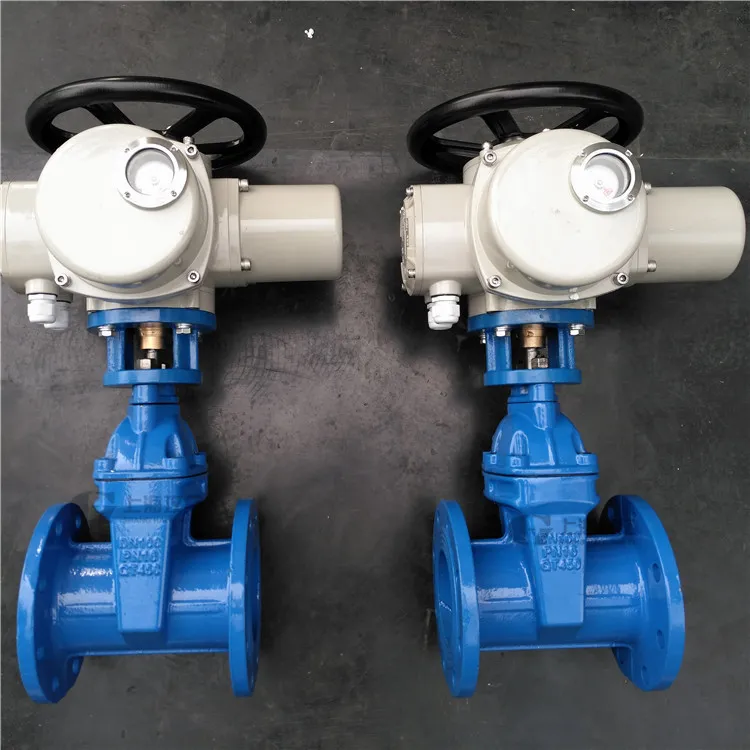
valvola di cancello
Quando si tratta di impianti idraulici o di gestione di fluidi, uno degli elementi chiave è la valvo
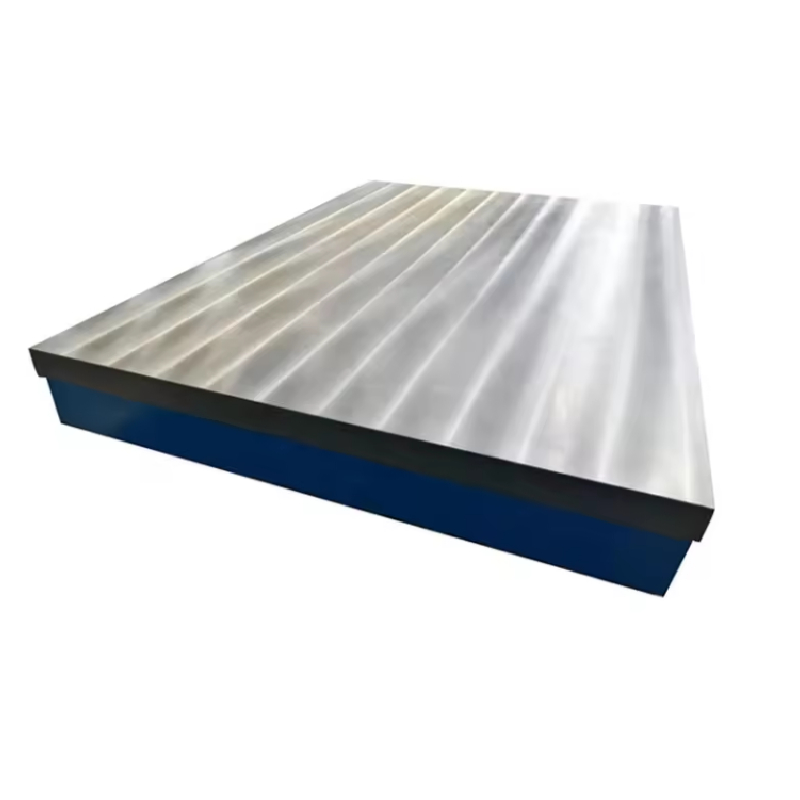
welding table price
Understanding Welding Table Prices A Comprehensive Guide Welding is a vital process in various indus
 English